Lighting is, perhaps, the most transformative element of any space. More than an accessory Light defines how we perceive the colors, textures and proportions of a room. Choosing between warm or cold light is a choice that determines the emotion we will feel every time we enter a room. In this article we explain how to make that decision with criteria and security.
The keys to color temperature in interior design
The color temperature is measured in Kelvin (K) and describes the tone emitted by a light source. A range that starts from the 2700k and reaches 6500k ranges from the most amber and warm tones to the purest and coldest whites, similar to the light of noon.
In practical terms:
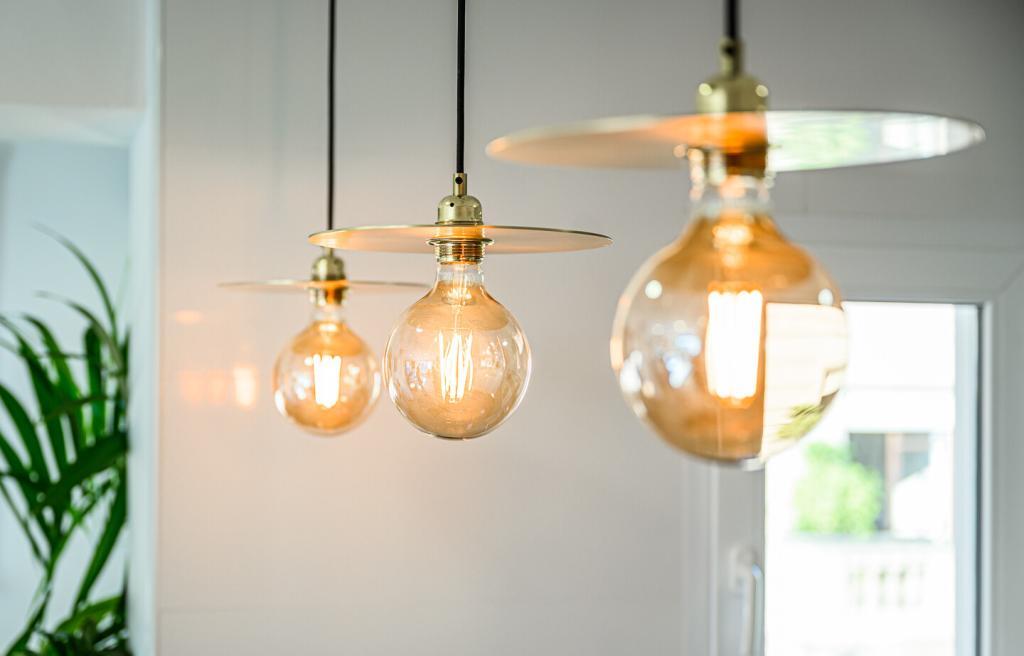
- A warm light (between 2700k and 3000k) envelops the space in an intimate and cozy atmosphere, very close to the light of a candle or a Mediterranean sunset..
- Neutral light (between 3500k and 4000k) offers non-cold clarity, ideal for multi-purpose spaces.
- Cold light (above 5000k) provides sharpness, concentration and energy, approaching the natural light of a clear day in Palma.
In the projects we develop in Virginia Perez, Lighting is treated as one more construction material: it is planned from the first sketches, studied together with the rest of the materials and adjusts to the needs of each client and each space. The choice of the color of light should always go hand in hand with the Combination of materials chosen for furniture and coatings, since the same marble or the same wood can seem completely different under one temperature or another.
Having a good home lighting design is the first step to ensure that every corner fulfills its emotional function and not just practice.
| Stay | desired feeling | Recommended temperature (k) |
|---|---|---|
| Bedroom | Rest, intimacy | 2700 – 3000 K |
| Lounge | Comfort, conversation | 2700 – 3000 K |
| Kitchen | Clarity, functionality | 4000 – 5000 K |
| Bathroom | Sharpness, freshness | 4000 – 5000 K |
| Work area / study | Concentration, energy | 4000 – 5500 K |
| Corridor / Passage zones | Fluency, orientation | 3000 – 4000 K |
| garden or outdoor | environment, security | 2700 – 3000 K |
The right light for each room according to its use
There is no universally correct color temperature. The key is to understand what we want to feel in each space and at what times of the day we will use it. Below we analyze the main rooms of a home and the logic behind each choice.
Wellness and rest in the living room or bedrooms
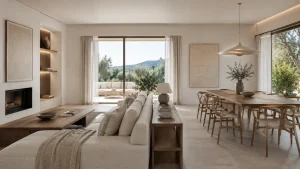
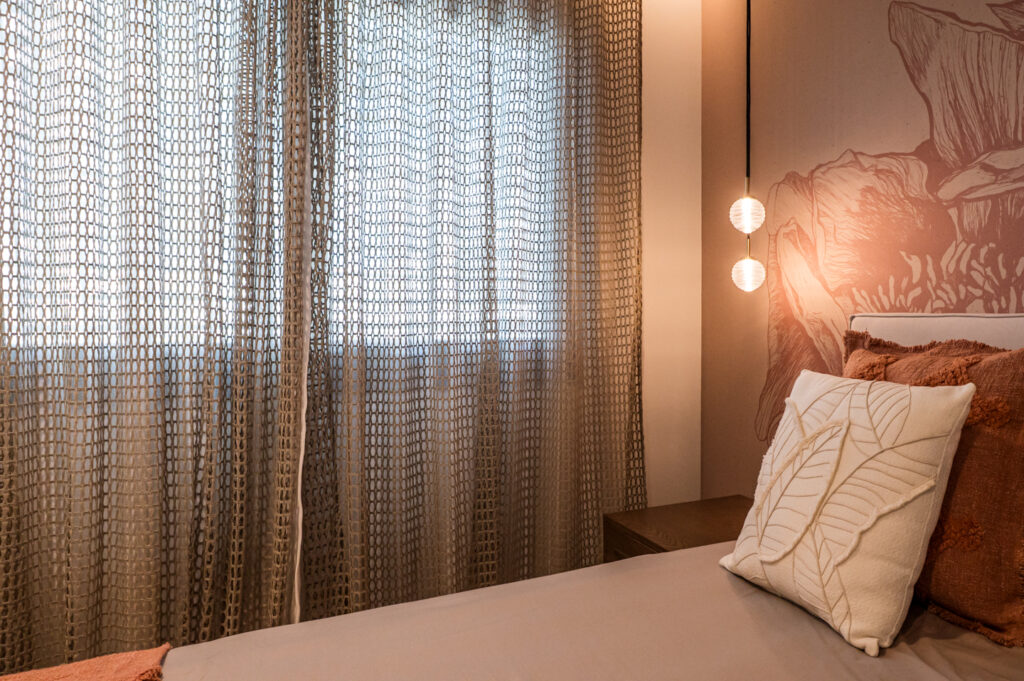
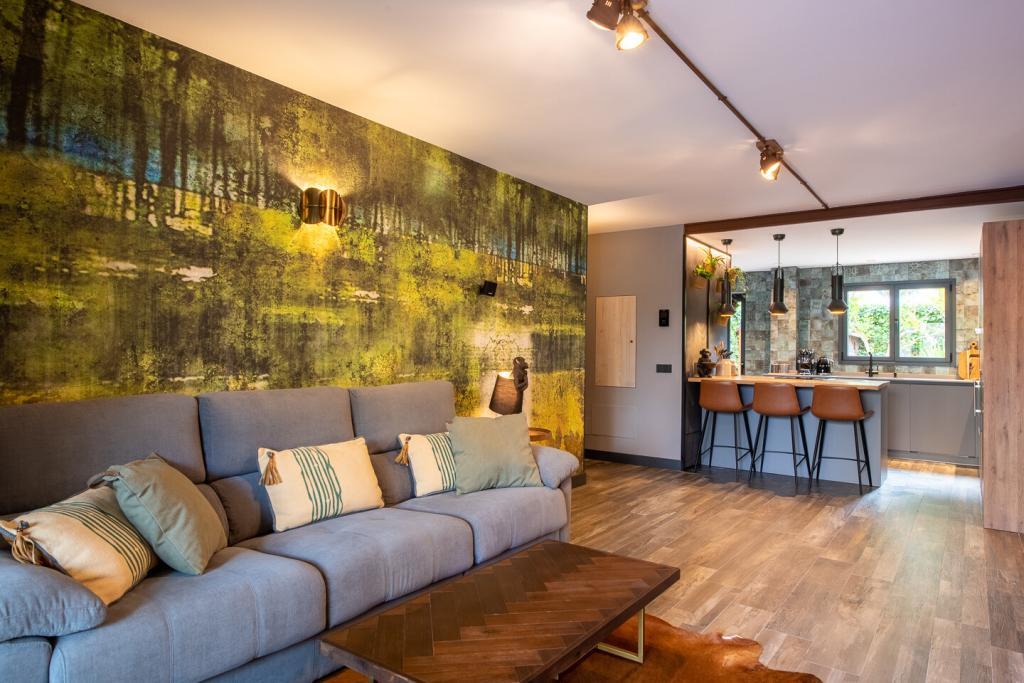
For the living room and bedrooms, the warm light between 2700k and 3000k is the most recommended option, since it favors relaxation and prepares the body for rest.
The living room is the decompression space par excellence: the place where we detach from the tensions of the day. Warm lighting, adjustable in intensity, allows the environment to adapt to both an afternoon of reading and an intimate dinner. In bedrooms, this warmth is even more important: prolonged exposure to cold light in the hours before sleep can alter the circadian rhythm and make it difficult to rest.
In the villas and residences of Mallorca with which we work, the living room is usually a space that dialogues visually with the exterior. The warm interior light creates a harmonious contrast with the intense blue of the Mediterranean sky that seeps through the windows, enhancing the feeling of refuge and warmth.
Functionality and clarity in kitchens and bathroom areas
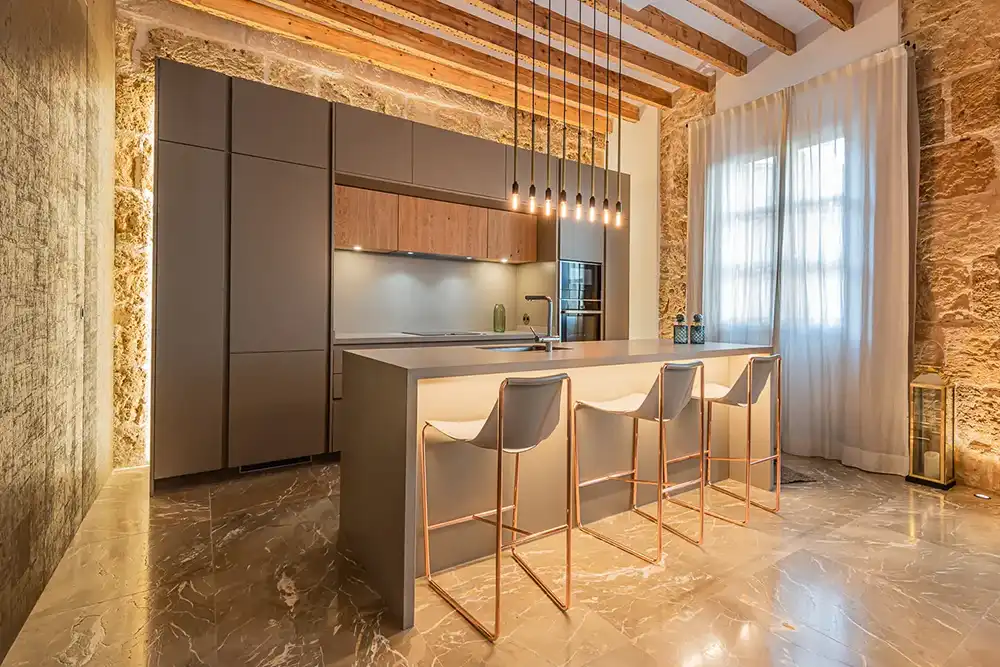
In kitchens and bathrooms, a temperature between 4000k and 5000k is the most suitable, providing the clarity necessary to work and for a correct perception of colors.
The kitchen is a precision space: we cut, we cook, we read labels. Too warm light can distort food perception and make the task more tiring. Neutral-cold light, on the other hand, reveals every detail with sharpness. The same thing happens in the bathroom: the lighting of the mirror should allow a faithful vision of the face, without the distortions that introduce an excessively amber tone.
To achieve this precision without giving up aesthetics, the use of LED strip lighting It offers incredible versatility to highlight architectural details, framing countertops or creating luminous profiles under bathroom furniture with a precise and adjustable temperature.
Passing spaces and charming outdoor areas
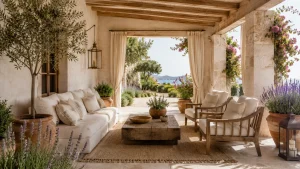
For hallways, halls and exteriors, a temperature between 2700K and 3500K creates pleasant visual transitions and gives the space its own personality.
The passage spaces have a narrative role within the house: they are the threshold between the outside and the inside, between one room and another. A well-thought-out lighting in the hall or the hallway can turn those meters into a sensory experience that predisposes the inhabitant to the environment that awaits him.
In the gardens and terraces of the properties in Mallorca, the warm light is especially successful. Mediterranean vegetation, natural stones and wood finishes come to life under golden tones that evoke long summer nights on the island. Exterior lighting, in addition to being functional, must be part of the landscape.
The balance between warmth and efficiency in lighting projects
For a long time there was a belief that energy efficiency and aesthetic light quality were opposite concepts. LED technology has completely knocked down that idea. Today it is possible to obtain a warm, enveloping and high-quality chromatic light with a minimum consumption and a very long lifespan.
A fundamental parameter that is often overlooked is the IRC (Chromatic Playback Index). This value, which ranges from 0 to 100, indicates with what fidelity the light source reproduces the actual colors of the objects. For quality residential spaces, we always recommend sources with an IRC above 90: the difference in the perception of materials, fabrics and works of art is remarkable.
In Virginia Pérez’s projects, the selection of light sources always responds to three simultaneous criteria: the appropriate color temperature for the use of the room, a high IRC that does justice to the selected materials, and a technical solution that is sustainable and maintainable in the long term. This comprehensive approach is what distinguishes a professional lighting project from a simple selection of lamps.
The regulation of intensity, or dimming, is another inalienable element in a well-lit home. Being able to lower the intensity of a warm light in the living room at dusk, or increase it in the kitchen during the preparation of a dinner, adds a layer of control that directly impacts daily well-being.
Are you planning a renovation or want to give a new air to your home? At Virginia Pérez Interiorismo we help you project the light that your space needs. You can ask us about our Interior services in Mallorca to take the next step towards the home you imagine.
If you are renovating your home in Palma, rehabilitating a Mallorcan farm or building a new villa, The time to think about enlightenment is before the work begins. Power lines, register boxes, recessed light points and control circuits are decided in the project phase. Incorporating that planning from the beginning, together with the rest of the design decisions, is what allows you to achieve truly integrated and coherent results.
Lighting is a fascinating world that completely transforms our perception of space. I invite you to continue exploring our blog To discover more interior design trends and, if you are looking for daily inspiration for your home, do not forget to follow the work of Virginia Pérez in the Instagram profile.